Job
enquiry:+91-9121642626
Job
enquiry:+91-9121642626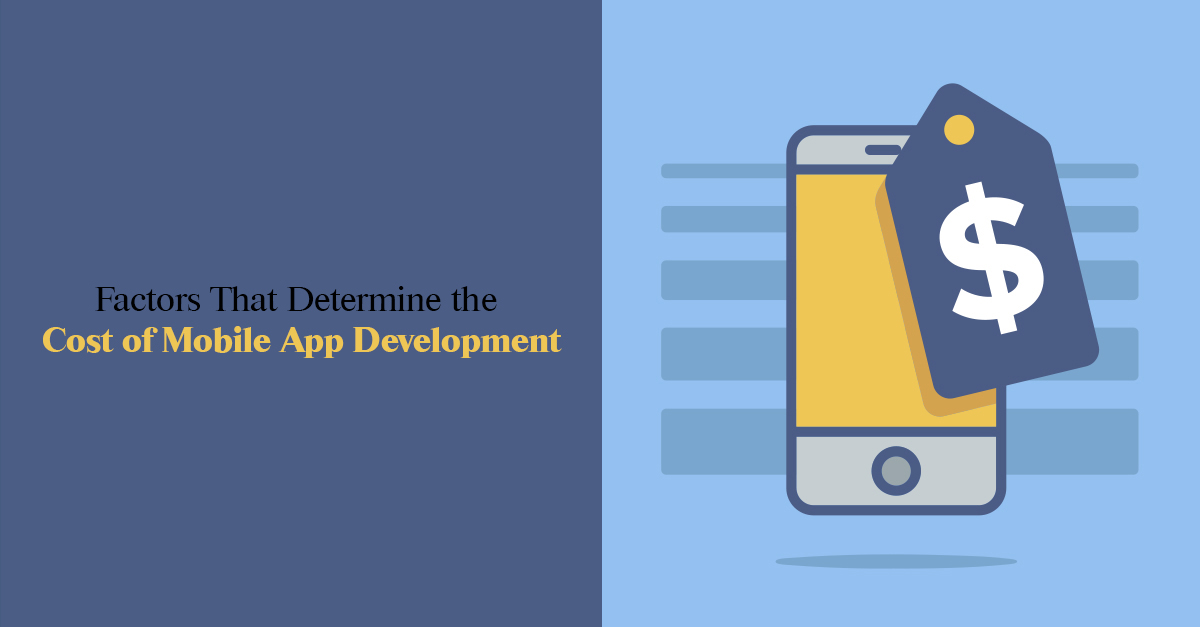
How Much Does It Cost to Develop a Mobile App in 2026?
It's the first question almost every business asks: "How much will my app cost?" The honest answer is that it depends — but that's not very useful on its own. So this guide gives you real 2026 numbers: typical price ranges by app complexity, what actually drives the cost, what it takes to build apps like Uber or Instagram, the hidden costs most people miss, and how to plan your budget sensibly.
Mobile app development cost at a glance
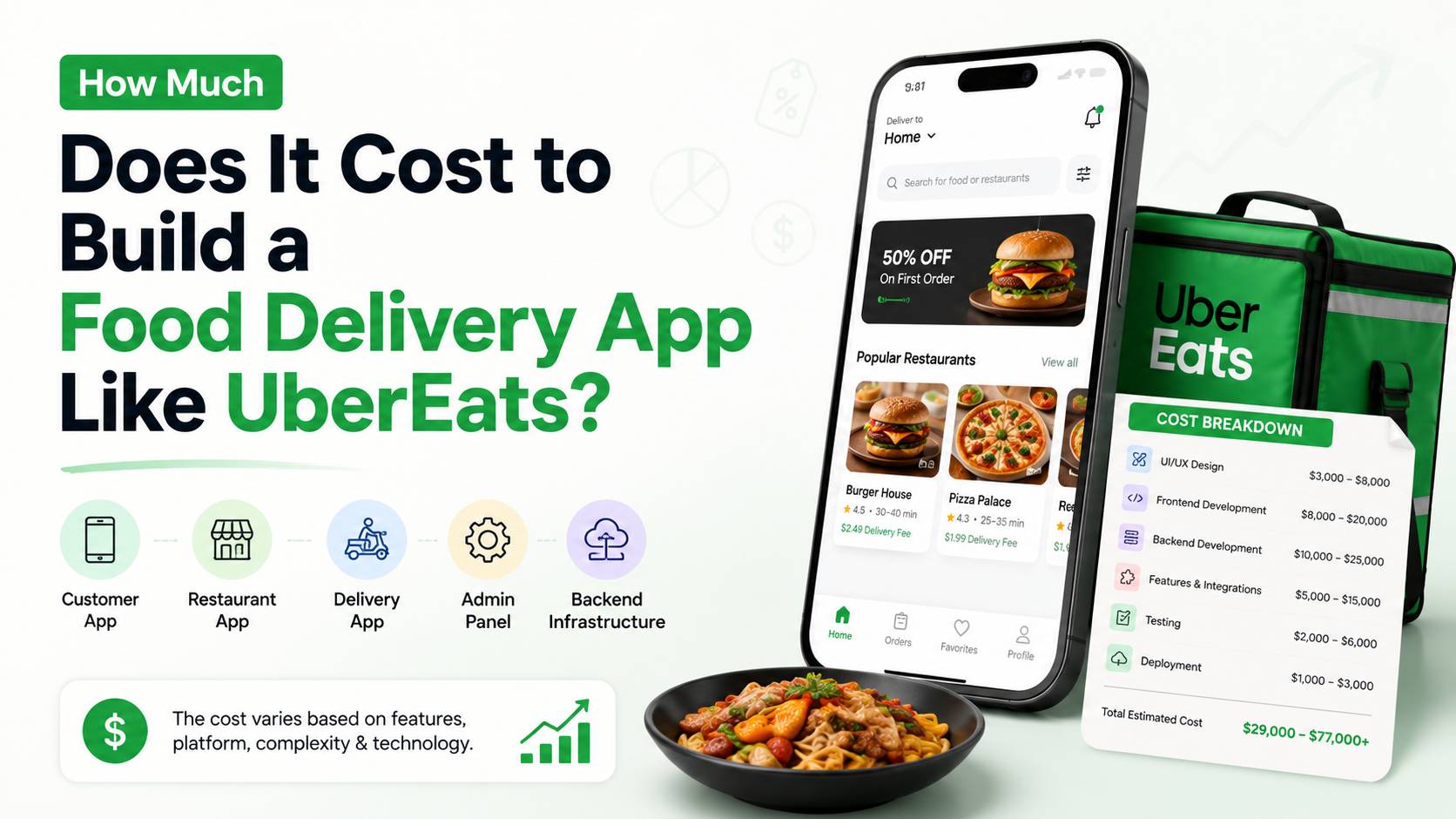
The biggest factor in your cost is complexity — how much your app does and how technically demanding those features are. Here's a realistic 2026 breakdown for professionally built apps (covering design, development, backend, and QA):
| App complexity | What it includes | Typical 2026 cost |
|---|---|---|
| Simple app | Basic UI, a few screens, limited backend (e.g. a basic info or booking app) | $15,000 – $50,000 |
| Medium complexity | User accounts, payments, API integrations, an admin panel | $50,000 – $150,000 |
| Complex app | Real-time features, advanced integrations, scalable backend | $150,000 – $400,000+ |
| Enterprise / AI-heavy | Security, compliance, big data, AI workflows | $300,000+ |
For context, industry data across thousands of projects puts the average custom app build at around $170,000, though most small-to-mid business apps land in the $50,000–$120,000 range. A focused MVP on one platform with core features typically falls between $25,000 and $60,000 — a sensible starting point for most businesses.
If you see an offer to build a full app for a few thousand dollars, treat it with caution. That price usually means a template-heavy build, no real QA, or a hidden scope you'll pay for later.
What drives the cost of an app
Complexity and features
This is the single biggest factor. Every feature adds design, development, and testing time. Simple features like a contact form are cheap; real-time GPS tracking, in-app payments, chat, video, AI, or third-party integrations add up quickly. A useful way to think about it: cost roughly equals development hours times the team's hourly rate, and features are what drive the hours.
Platform: iOS, Android, or both
You'll build for iOS, Android, or both. Contrary to older advice, the two now cost roughly the same to build — Android tends to run about 10–20% higher because it has to support more devices and screen sizes, but the gap is much smaller than it used to be. (Windows Phone is no longer a consideration; it was discontinued years ago.) Building for both platforms costs more than one, which is where cross-platform development helps — see the next point.
Native vs cross-platform
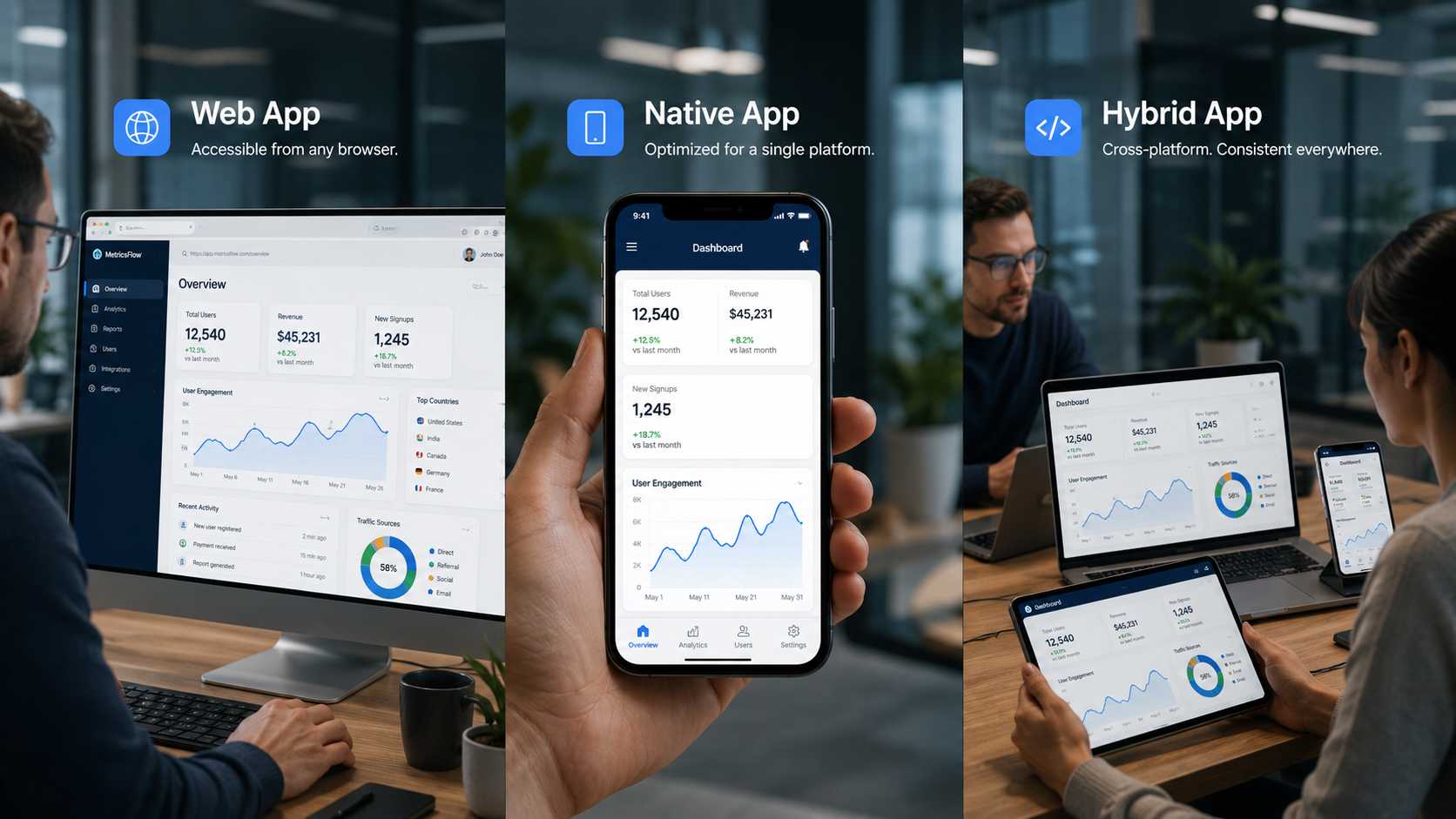
Native apps (built separately for iOS and Android) give the best performance but cost the most, since you're effectively building twice. Cross-platform frameworks like Flutter and React Native let you share one codebase across both platforms, typically cutting cost by 20–40% for MVPs and medium-complexity apps. For most business apps, cross-platform is the more economical starting point. (For more, see our guide to hybrid app development.)
Design
A clean template-based design is far cheaper than a fully custom UI with animations and a bespoke brand experience. Better design costs more upfront but usually pays off in user retention.
Backend and infrastructure
The backend — servers, databases, APIs, and business logic — often takes the largest share of the budget, especially for apps that sync data, handle accounts, or support many users at once. Cloud hosting then adds an ongoing monthly cost, typically a few hundred to a few thousand dollars depending on scale.
Team location
Where your team is based has a big effect on rate. North American developers charge the most (roughly $100–$250 per hour), Eastern Europe sits in the middle, and South Asia is generally the most affordable. A US developer can cost $100,000–$130,000+ a year, while an equivalent team elsewhere costs a fraction of that — which is why many companies work with offshore partners.
Testing and QA
Thorough testing usually accounts for 10–15% of the build and isn't a place to cut corners — it's what keeps your app from launching with bugs that drive users away.
How much does it cost to build an app like Uber, Instagram, or WhatsApp?
A common way people frame their budget is by comparing to apps they know. Rough 2026 ranges for a first version (not the full-scale product these companies run today):
| App type | Comparable to | Typical cost (v1 / MVP to full) |
|---|---|---|
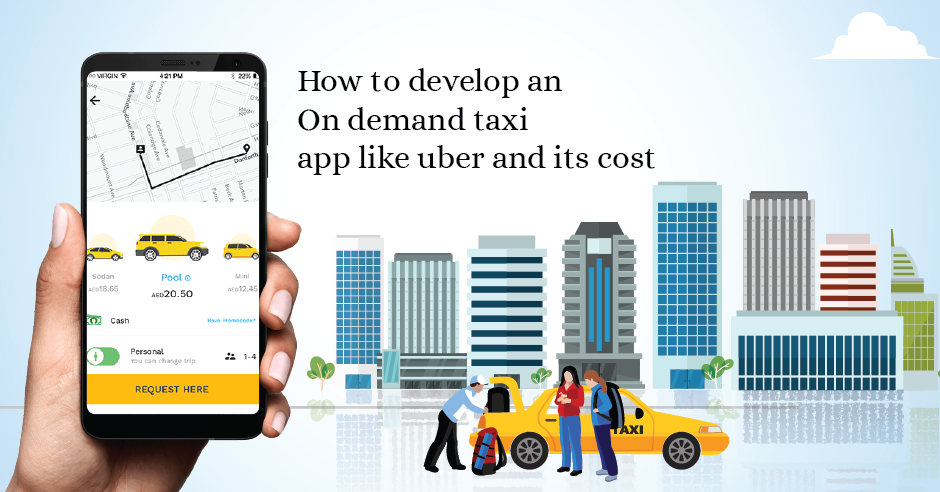
| Ride-hailing | Uber, Lyft | $60,000 – $300,000+ |
| Social media | $80,000 – $350,000 | |
| Messaging | $50,000 – $150,000 | |
| E-commerce | Shopify-style store | $100,000 – $180,000 |
A reality check: the full-scale versions of Uber, Instagram, and Airbnb represent millions of dollars in engineering built up over years. A v1 with the core features is achievable in the ranges above, but if an agency quotes $50,000 for a complete Uber-grade platform, that's a warning sign, not a bargain.
The hidden costs most businesses miss
The build cost is only part of the picture. Budget for these too:
- Maintenance: Plan for 15–20% of your build cost per year for bug fixes, OS updates, security patches, and improvements. The first year can run higher (25–35%) as real user feedback comes in.
- App store fees: An Apple Developer account is $99/year. Google Play is a one-time $25 fee (not annual). Both stores also take a 15–30% commission on in-app purchases.
- Hosting and infrastructure: Ongoing server, database, and bandwidth costs that scale with your users — often $500–$5,000+ a month.
- Marketing and user acquisition: Building the app is step one; getting users is step two. Initial marketing can run from a few thousand to $50,000+.
- Customer support: A support team, chatbot, or helpdesk software adds ongoing operational cost.
A realistic all-in first-year budget for a typical mid-market business app is often $80,000–$180,000 once these are included.
How to budget wisely for your app
- Start with an MVP. Build the core features first, launch, learn from real users, then invest in the rest. It's the lowest-risk way to spend.
- Prioritise features ruthlessly. Separate "must-have for launch" from "nice to have later." Every feature you defer saves money now.
- Consider cross-platform if you need both iOS and Android and don't have heavy performance demands.
- Get a detailed, itemised quote. A good development partner breaks the cost down by phase and feature, includes QA and post-launch support, and builds in a 15–20% contingency.
- Think total cost of ownership, not just the build. Factor in maintenance and hosting from day one.
Frequently asked questions
How much does it cost to develop a mobile app in 2026? Most apps range from about $15,000 for a simple app to $400,000+ for a complex platform. Medium-complexity business apps typically fall between $50,000 and $150,000, and a single-platform MVP usually lands around $25,000–$60,000.
Is it cheaper to build for iOS or Android? They cost roughly the same in 2026. Android can run about 10–20% higher because it supports more devices, but the difference is small. Building for both costs more than one platform.
How much does app maintenance cost? Plan for around 15–20% of the original build cost per year, sometimes higher in the first year as you act on user feedback.
How can I reduce my app development cost? Start with an MVP, prioritise only essential features for launch, consider cross-platform development, and work with a development partner who gives you a clear, itemised quote.
How much does it cost to build an app like Uber? A first version typically ranges from $60,000 to $300,000+, depending on features like real-time tracking, payments, and multi-role dashboards. The full-scale platform Uber runs today cost far more, built up over many years.
Planning your app budget
The cost of a mobile app comes down to what you're building, how complex it is, and who builds it. The clearest way to get a real number is to map out your features and get an itemised estimate.
We help businesses scope, budget, and build apps across iOS, Android, and cross-platform, with pricing that fits the project. Learn more about our mobile app development services or get a free quote for your idea.








 Whatsapp
 Email
Email